
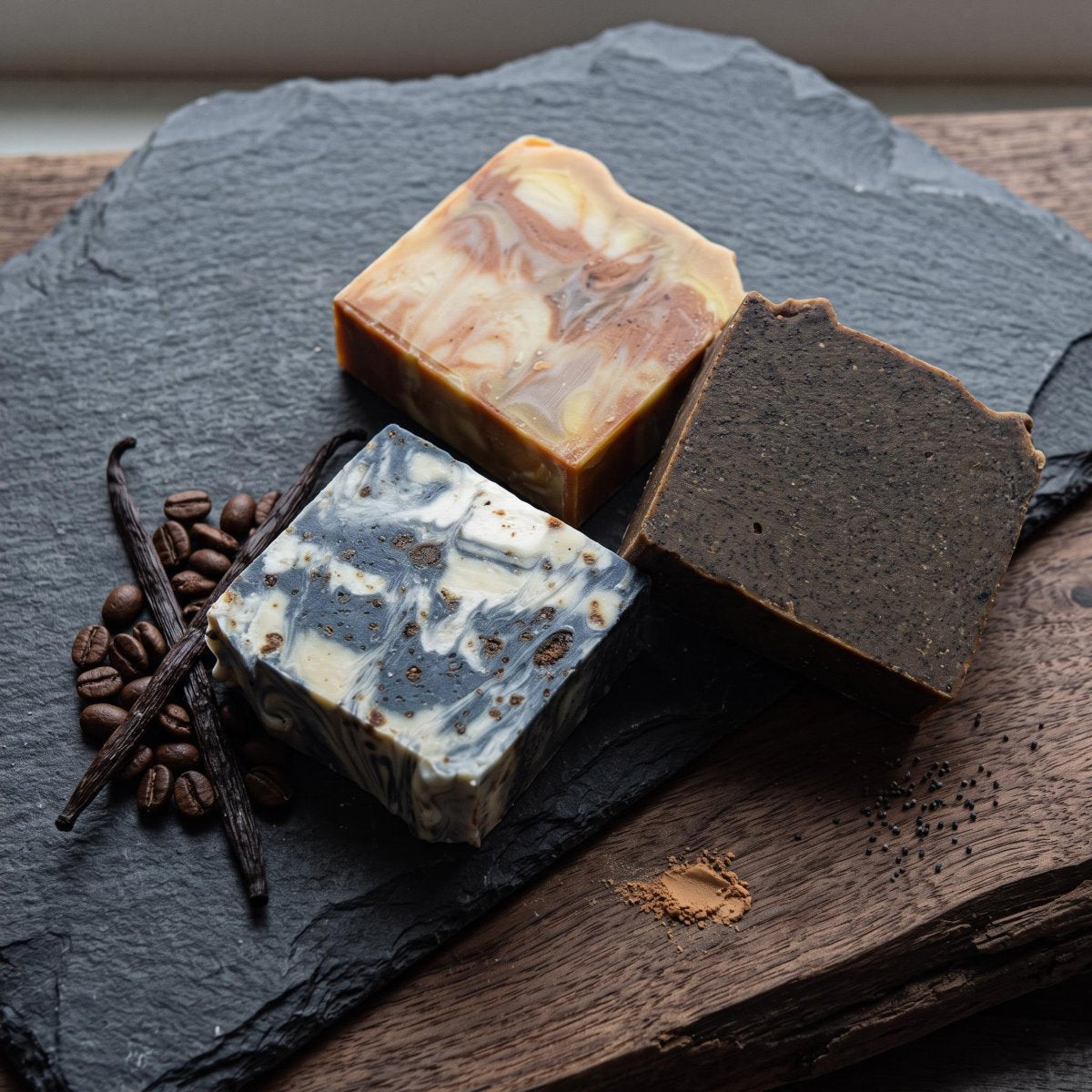
The Athlete’s Checklist for Palm Free Handmade Soap: Pure Performance Hygiene
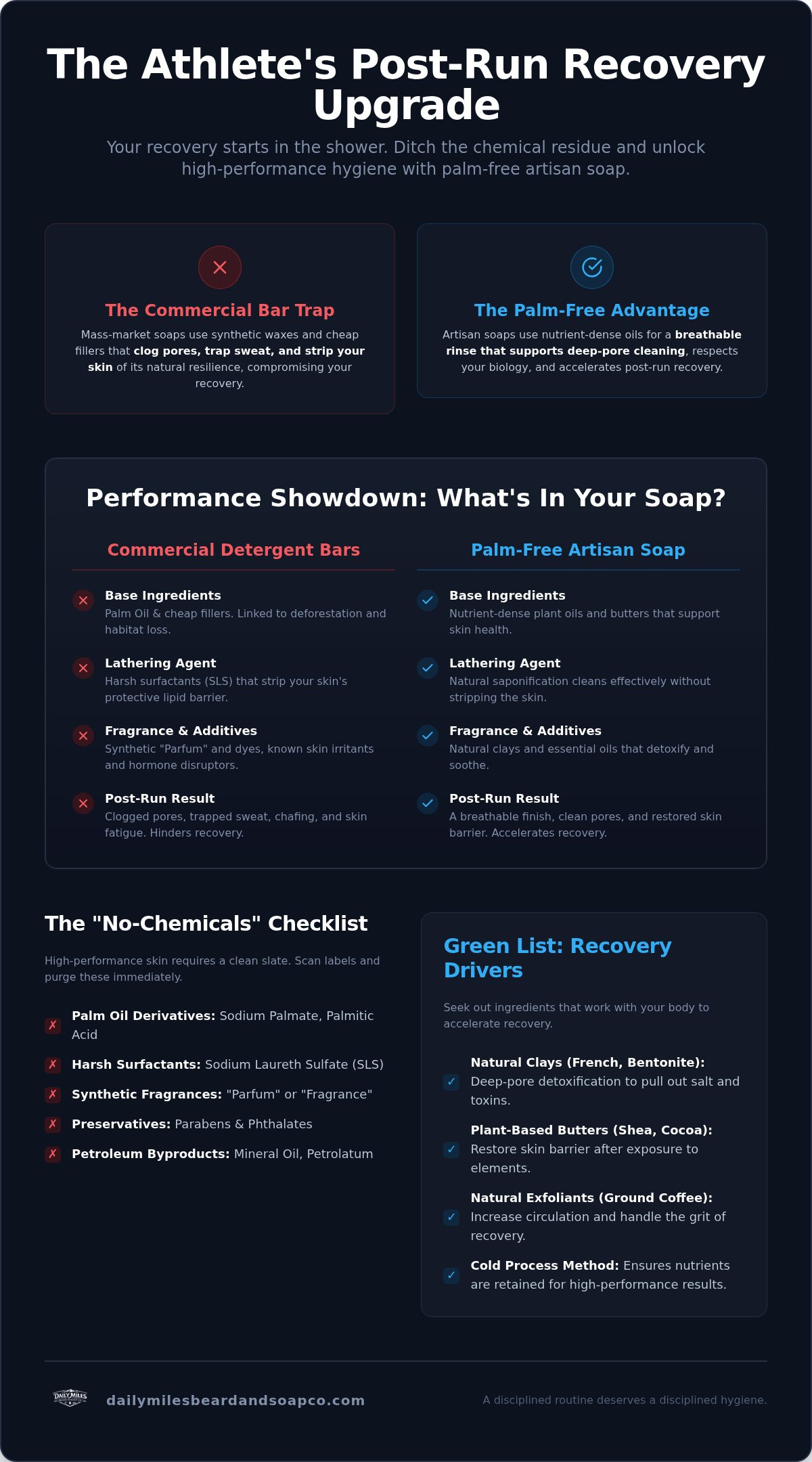
Your recovery doesn't end when you leave the trail. It starts the moment you step into the shower. You train hard. You eat clean. You track every mile. Yet, many athletes overlook the chemical residue left behind by commercial detergents. These mass-market bars use synthetic waxes that clog pores. They rely on cheap fillers that strip your skin of its natural resilience. Switching to a palm free handmade soap is a performance upgrade for your body and your conscience. It is about skin that breathes. It is about recovery without irritation. You deserve a hygiene routine that matches your discipline.
You already know that low-quality fuel has no place in your diet. It has no place on your skin either. This article provides the definitive checklist for mastering the transition to palm-free hygiene. We will identify the silent fillers that compromise your recovery and explain how to spot truly sustainable alternatives. You will learn to choose ingredients that support deep-pore cleaning after a grueling run. We will examine the link between ethical manufacturing and physical performance. From small-batch integrity to high-intensity recovery, this is your roadmap to a cleaner, more intentional finish line.
Key Takeaways
- Identify palm oil as a silent filler. Understand how mass production compromises both your skin and the planet.
- Eliminate skin irritants like SLS. Protect your hormonal health by avoiding synthetic fragrances in every bar.
- Master the transition to palm free handmade soap. Experience a breathable rinse that never traps post-run sweat or residue.
- Verify artisan quality through the cold process method. Ensure your hygiene tools retain the nutrients required for high-performance recovery.
- Build a disciplined ritual with dual-purpose bars. Integrate exfoliating scrubs to handle the grit of heavy recovery.
The Hidden Cost of Palm Oil in Men’s Grooming
Palm oil is the silent filler of the grooming world. It is in your soap. It is in your shampoo. It is even in your toothpaste. Manufacturers love it because it is cheap. It creates a hard, long-lasting bar with very little financial investment. But that efficiency comes at a steep price. Mass production of palm oil is a primary driver of global deforestation. It leads to catastrophic habitat loss for endangered species. As an athlete, your connection to the environment is physical. You breathe the air. You run the trails. Using products that destroy those ecosystems is a fundamental contradiction. A high-performance lifestyle requires a high-performance conscience.
Commercial soaps often rely on harsh surfactants to create lather. These chemicals do more than just clean. They strip the natural oils your skin needs to stay resilient. When you train hard, your skin is your first line of defense. Stripping it bare leaves you prone to chafing and irritation. Artisan palm free handmade soap takes a different path. These bars prioritize skin health by using nutrient-dense plant oils like those found in Sandalwood Clay Soap. They don't need synthetic fillers to work. They rely on the chemistry of nature to provide a deep, effective clean. It is about quality over volume. It is about discipline in manufacturing.
Why "Natural" Doesn’t Always Mean Sustainable
Greenwashing is a common hurdle for the intentional buyer. Many brands use the word "natural" to mask industrial processes. Palm derivatives often hide under technical chemical names to avoid scrutiny. You might see Sodium Palmate or Palmitic Acid on a label. These are palm oil in disguise. Truly sustainable sourcing requires radical transparency from the maker. It means knowing the origin of every fat and oil. We don't use palm because we refuse to participate in the destruction. We choose plant-based alternatives that support skin integrity without the environmental baggage. Transparency is the only way forward.
The Impact on the Active Outdoorsman
Outdoor enthusiasts have a unique responsibility. We see the impact of environmental shifts on our local trails and mountains. The products we use in the shower eventually find their way back into the water system. Biodegradable ingredients are essential to prevent greywater contamination. A clean-rinsing formula is just as important for your body. Synthetic waxes in commercial soap can clog pores and trap sweat. This leads to breakouts and skin fatigue after a long session. Using a palm-free bar ensures a breathable finish. It is the final step in a successful recovery routine. Clean skin. Clean trails. No compromises.
The "No-Chemicals" Checklist for High-Performance Skin
High-performance skin requires a clean slate. You wouldn't put low-grade oil in a race engine. Don't put industrial chemicals on your body. Most liquid body washes are chemical cocktails. They use Sodium Laureth Sulfate (SLS) to create a cheap lather. SLS is a known skin irritant. It breaks down the lipid barrier. It leaves you vulnerable to the elements. Reject these commercial shortcuts. A true palm free handmade soap uses natural saponification to clean. It respects your biology. It cleans effectively. It stays out of your way.
Avoid synthetic fragrances. They are often listed as "parfum" on labels. This is a loophole for hundreds of untested chemicals. Many disrupt hormonal balance. Your endocrine system regulates recovery and muscle growth. Don't sabotage your gains for a fake scent. Reject parabens and phthalates. These preservatives linger in the bloodstream. They have no place in a disciplined routine. Instead, seek out natural clays. They provide deep-pore detoxification without the chemical burn. They work with your body. They pull out the grit. They leave the strength.
Red Flag Ingredients to Purge Immediately
Synthetic dyes are a common culprit for mystery rashes. They react with salt and heat during a workout. If your skin flares up after a long run, check your soap. Artificial hardening agents are another trap. They make bars last for months by using plastic-like polymers. They strip moisture from your skin. Petroleum-based byproducts are the worst offenders. They create a film. They clog pores. They trap heat. This leads to breakouts and skin fatigue. Purge these from your locker immediately. Your skin needs to breathe to recover.
The Green List: Ingredients That Drive Recovery
Focus on ingredients that give back. French clays are a recovery essential. They pull salt and toxins from deep within the pores. This prevents post-training congestion. Plant-based butters like shea and cocoa restore the skin barrier. They are vital after hours of exposure to wind and sun. Natural exfoliants like ground coffee beans increase local circulation. They help flush lactic acid. Choosing a palm free handmade soap ensures these nutrients aren't diluted by cheap fillers. High-quality bars like Sandalwood Clay Soap leverage these minerals for maximum effect. Pure ingredients. Proven results. No fillers.
Performance Metrics: Why Palm-Free Soap Cleans Better
Performance is measured by results. In hygiene, that result is a clean rinse. Commercial soaps fail this basic test. They rely on cheap palm oil and synthetic waxes to maintain structural integrity. These ingredients leave a persistent film on your skin. For an athlete, this is a liability. That film traps sweat. It locks in salt. It creates a breeding ground for bacteria during your next session. A palm free handmade soap eliminates this barrier. It focuses on a breathable finish. It ensures your pores are clear and ready for the next mile. Clean skin is a performance requirement.
Small-batch manufacturing allows for precision. We prioritize the saponification process to ensure every molecule of oil is used correctly. This creates a bar that is an effective emulsifier. It binds to grime. It carries away salt. It rinses off completely. Commercial detergents often lack this efficiency. They use "silent fillers" that sit on the surface. Active skin needs more than just a surface-level wash. It needs minerals. It needs hydration. Palm-free formulations allow for higher concentrations of premium oils like olive and coconut. These oils do the work. They don't just take up space.
Sweat vs. Grime: The Saponification Difference
True soap is a tool for recovery. It acts as an emulsifier that binds to sweat and oil. Handmade bars are naturally rich in glycerin. This is a humectant that draws moisture into the skin. Commercial manufacturers strip glycerin away to sell it as a separate product. We keep it where it belongs. This preservation ensures your skin stays hydrated even after a deep clean. Sandalwood Clay Soap is designed for this specific purpose. It offers targeted cleaning for trail runners who deal with heavy dust and persistent grime. It cleans deep. It rinses clean. It works as hard as you do.
Skin Barrier Protection for Runners
High-mileage days take a toll. Constant movement leads to salt buildup. Salt leads to chafing. A compromised skin barrier is a recipe for forced rest days. Gentle plant oils are essential for maintenance. They prevent the "tight" feeling that follows a commercial shower. This tightness is actually a sign of damage. It means your natural oils have been stripped. Using a palm free handmade soap protects your first line of defense. It restores resilience. It prepares you for the elements. For a deeper look at managing these challenges, read about the best soap for runners skin and how to optimize your post-run routine. Stay disciplined. Stay clean.
How to Identify Real Artisan Quality: A Buyer’s Checklist
Buying quality soap is like choosing the right gear. You need to know what to look for. Don't be distracted by "natural" buzzwords. Look for "Cold Process" on the label. This method uses low temperatures. It preserves the integrity of the plant oils. It ensures the natural glycerin remains in the bar for hydration. Check the ingredient list carefully. Verify the absence of "Palm Oil" or "Sodium Palmate." These are indicators of mass-market shortcuts. A true palm free handmade soap is transparent about every fat used. It prioritizes performance over profit. It respects your skin.
Transparency is non-negotiable. Look for small-batch labels. These indicate a maker who oversees every pour. They ensure the quality of every single bar. Your hygiene products should align with your zero-waste goals. Prioritize plastic-free, compostable packaging. A disciplined athlete leaves no trace. Every choice in your kit should reflect your values. If a brand hides its manufacturing process, walk away. Integrity is found in the details. Quality is found in the results. Demand both.
The Small-Batch Advantage
Small batches ensure ingredient potency. Every measure is precise. No room for error. No industrial drift. Artisans have the freedom to pivot. They can source better oils. They can refine formulas based on real-world testing. This isn't about mass appeal. It is about technical excellence. Transparency. Integrity. Performance. This is the artisan way. You aren't just buying soap. You are supporting a standard of craft that matches your own discipline. It is a partnership in recovery.
Evaluating Scents and Essential Oils
Scents should be functional. Real essential oils provide therapeutic benefits. They aren't just for masking odors. Eucalyptus can aid breathing. Sandalwood can calm the nervous system after a high-intensity session. Avoid "fragrance oils" at all costs. These are synthetic chemicals designed in a lab. They offer no performance benefit. Rugged, earth-based scents like sandalwood and coffee ground your post-run ritual. They signal the transition from effort to recovery. They are clean. They are purposeful. They are honest.
Ready to upgrade your recovery kit? Browse our collection of palm free handmade soap and find the bar that matches your grit.
Building Your Ritual: Integrating Palm-Free Bars
A ritual is a commitment. It is the bridge between effort and recovery. Transitioning to a palm free handmade soap requires more than just a purchase. It requires a change in habits. Start with a versatile tool. Quiet Miles Face & Beard Soap is a dual-purpose bar. It handles the grit of the day while respecting the sensitive skin of your face. It simplifies your kit. For days of heavy exertion, reach for the Coffee & Vanilla Bean Body Scrub. It provides the mechanical exfoliation needed to flush toxins and increase circulation. The ground beans provide a rugged texture. They work deep. They don't compromise. These aren't just soaps. They are recovery instruments. Use them with intent.
Preserve your tools. Handmade bars are rich in natural glycerin. This is a humectant that draws moisture to the skin. It also makes the bar softer than industrial detergents. Store your bars on a draining dish. Keep them out of the spray. Allow them to dry between uses. This extends their lifespan and maintains the structural integrity of the plant-based oils. A disciplined athlete maintains their equipment. Your hygiene kit is no different. To round out your routine, incorporate sustainable beard care products that align with your performance goals. Complete the cycle. Build the foundation.
The Post-Run Recovery Sequence
Efficiency is key. Start the rinse. Apply the lather. Focus on high-friction areas with clay-based soaps like Sandalwood Clay Soap. The minerals pull out the salt and grime that cause chafing. Rinse with cool water to finish. This closes the pores. It locks in the moisture from the plant oils. Dry thoroughly. Never leave skin damp in a gear-heavy environment. Follow with a plant-based beard oil to seal the barrier. This protects against windburn and irritation. Clean. Dry. Protected.
Why Consistency Matters for Skin Health
Patience is a requirement. Results are earned through time. Skin takes approximately 28 days to cycle through new cells. You won't see the full benefit of a palm free handmade soap in a single shower. There is a short adjustment period. Your skin is shedding the residue of synthetic waxes and petroleum byproducts. Stay the course. Don't revert to commercial shortcuts when the process feels slow. Commit to the ritual for long-term resilience. True strength is built through repetition. Your skin will adapt. It will grow stronger. It will last longer.
Elevate Your Recovery Standards
Your hygiene is a conscious choice. It is a direct reflection of your discipline. You now understand the hidden costs of industrial fillers. You know how to identify the red flags on commercial labels. Switching to a palm free handmade soap is the final gear change in a high-performance recovery plan. It ensures your skin breathes after every mile. It protects your resilience against the elements. It respects the ecosystems you explore. Quality is never a luxury. It is a technical requirement for longevity. Demand better from your grooming kit.
We prioritize intentionality in every pour. Our team produces small-batch artisan quality bars built for the grit of physical exertion. These vegan and bee-free formulations are tested by athletes for athletes. We refuse to use silent fillers. We choose transparency over mass-market convenience. Upgrade your recovery with the Daily Miles Ritual Bundle. Refine your post-run ritual. Honor your effort. Stay disciplined. Finish every day as strong as you started.
Frequently Asked Questions
Is palm-free soap better for sensitive skin?
Yes, it is often superior for sensitive skin because it eliminates the industrial detergents found in mass-market bars. These bars avoid synthetic fillers that trigger inflammation. We use skin-loving fats like olive oil and shea butter. These ingredients respect your natural barrier. They prevent the irritation that follows a hard, sweaty workout. Sensitive skin needs purity. It needs a bar that cleans without stripping your defenses.
What ingredients are used instead of palm oil in handmade soap?
We use a blend of high-performance plant fats to replace palm. Coconut oil creates a strong, natural lather. Olive oil provides deep nourishment. Shea butter and cocoa butter ensure the bar remains hard and durable. These fats are chosen for their specific performance profiles. They mimic your skin's natural lipids. This creates a superior rinse after a long training session. It is a more expensive manufacturing process. It is the only way to ensure quality.
Does palm-free soap produce a good lather for washing off sweat?
Yes, it produces a dense, creamy lather that effectively emulsifies sweat and grime. We use high concentrations of coconut oil to ensure a strong cleaning action. This lather binds to salt and dirt. It carries them away completely during your rinse. You don't need synthetic foaming agents like SLS to get a deep clean. A well-formulated palm free handmade soap rinses clean every time. It leaves no breathable film behind.
Why is palm oil considered bad for the environment?
Industrial palm oil production drives massive deforestation. It destroys critical habitats for endangered species. It displaces local communities. Rainforests are burned to make way for plantations. This releases carbon into the atmosphere. We refuse to support this destruction. We prioritize the trails we run on. We protect the environments where we train. Integrity starts with your ingredients. Clean living requires ethical sourcing. No exceptions.
Can I use handmade bar soap on my face and beard?
Yes, you can use it on your face if the formula is intentional. Our specialized face and beard bars are designed for this task. They are gentle enough for facial skin but strong enough to clean a thick beard. They remove dust and sweat without causing dryness or irritation. Avoid commercial body bars for your face. They are too harsh for sensitive areas. Use a tool designed for the job. Respect your biology.
How long does a natural handmade soap bar usually last?
A standard bar usually lasts 3 to 4 weeks with daily use. Longevity depends entirely on how you store it. You must use a dish that allows for airflow. Never let the bar sit in a pool of water. This prevents it from becoming soft and dissolving prematurely. Small-batch bars lack the synthetic hardening agents of commercial soap. They require more care. The performance trade-off is worth the extra effort. Maintain your recovery tools.
Is all palm-free soap also vegan and cruelty-free?
Not necessarily. Some manufacturers use animal fats like lard or tallow as a palm substitute. Others include honey or beeswax. Our formulations are strictly plant-based and vegan. We don't use bee-derived ingredients. We don't test on animals. We test our products on ourselves during high-intensity training. Always check the label for specific ingredients. Integrity requires constant verification. Don't assume a product is vegan just because it is palm-free.
How can I tell if my soap contains hidden palm oil derivatives?
Look for technical names on the ingredient list. Sodium Palmate is the most common indicator. Other derivatives include Palmitic Acid and Palm Kernelate. Some brands hide behind the word "fragrance" or generic "vegetable oil" labels. A true palm free handmade soap will be explicit about its ingredients. If the label is vague, the product is likely a compromise. Demand total transparency from your suppliers. Know exactly what you are putting on your body.
Read more
Your beard shouldn't be a liability at mile ten. Most grooming products fail when the heart rate climbs. They melt. They drip. They clog your pores and leave a greasy film on your workout gear. You...
A ten-mile run in 90% humidity shouldn't feel like wearing a heavy, grease-soaked mask. Most men believe the only way to beat the summer frizz is to shave or suffer through the itch. You know the f...