
How to Stop Beard Itch from Sweat: The Athlete’s Guide to Performance Grooming
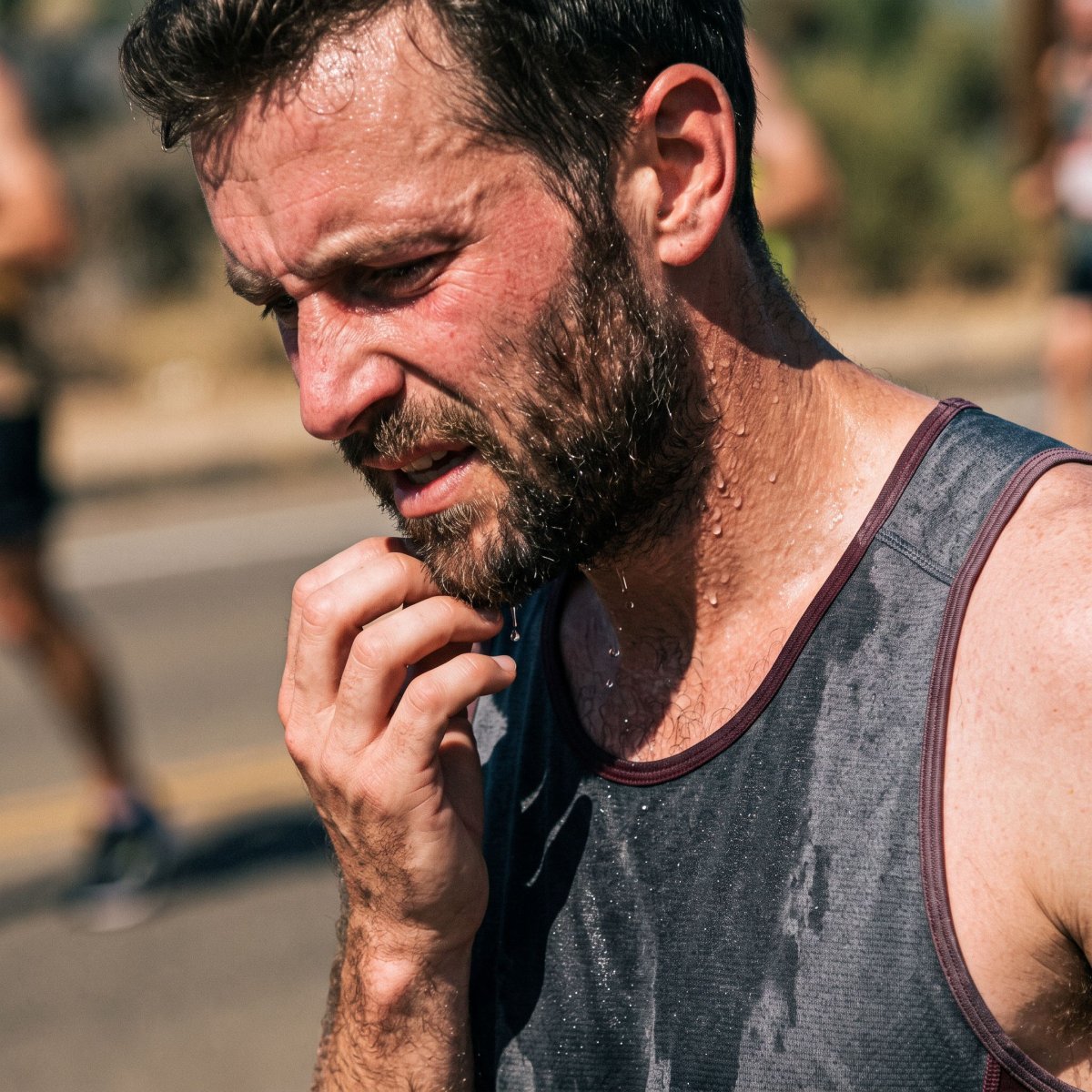
You hit the five-mile mark. Your heart is pounding. Suddenly, a sharp, stinging itch flares up under your chin. It is not just the heat. It is the salt. Learning how to stop beard itch from sweat is as critical as your hydration strategy for any high-performance effort. You know the feeling of dried sweat turning into abrasive salt crystals. They grate against your skin with every stride. Heavy, wax-based balms often make it worse. They trap heat. They clog pores. They turn a focused run into a battle with irritation.
It does not have to be this way. You can eliminate this distraction without reaching for a razor. This guide will help you master a recovery ritual to keep your skin calm and your beard trail-ready. We will examine why traditional waxes fail during high-intensity training. You will learn a simple post-run routine that prioritizes breathable hydration. From understanding salt friction to choosing non-comedogenic ingredients, we have the blueprint for your performance grooming. Let's get back to the miles.
Key Takeaways
- Understand how dried salt and minerals create micro-crystals that cause mechanical friction against your skin.
- Master a specific post-run recovery ritual to learn how to stop beard itch from sweat before irritation begins.
- Identify why heavy beeswax products trap heat and bacteria, leading to painful follicle inflammation during long miles.
- Apply breathable, plant-based hydration to damp skin to restore the natural barrier without clogging pores.
- Audit your current grooming kit to eliminate harsh sulfates and non-breathable waxes that compromise performance.
Why Sweat Triggers Beard Itch: The Salt and Friction Factor
Sweat is more than just a sign of effort. It is a complex solution of water, minerals, and metabolic waste. When you push your limits on the trail, your body releases a heavy concentration of sodium, urea, and lactic acid. These elements serve a cooling purpose during the run. They regulate your core temperature. But as the water evaporates, the leftovers create a hostile environment under your chin.
Understanding the biological fallout of a hard workout is essential to learning how to stop beard itch from sweat. Your facial hair acts as a physical filter. It catches the moisture. It holds the minerals. As the air dries your beard, it leaves behind a concentrated residue that attacks the skin's barrier. The structure of the beard itself accelerates this process. Facial hair is naturally porous. It wicks moisture away from the skin's surface and into the air. This speeds up the drying of the skin underneath. It leaves the skin parched and coated in salt before your heart rate even returns to baseline.
The Role of Salt Crystals
When sweat evaporates, it does not simply vanish. It leaves behind microscopic solids. These are jagged, crystalline structures of sodium and potassium. Your beard hair traps these crystals directly against the sensitive skin of your face. Every time you move your jaw or adjust your stride, these particles grind against your pores. This creates a mechanical irritation that no amount of scratching will solve.
Think of it as microscopic sandpaper. The friction causes tiny micro-tears in the epidermis. This triggers an immediate inflammatory response. Salt-induced friction is the primary cause of runner’s itch. Without a proper intervention, this friction leads to redness and long-term sensitivity that can sideline your grooming routine. Knowing how to stop beard itch from sweat requires addressing these crystals before they can do damage.
Sebum Displacement During High-Output Activity
Your skin produces sebum for a reason. This natural oil creates a waterproof seal. It keeps moisture in and irritants out. However, high-intensity training creates a volume of sweat that your sebum cannot withstand. The constant flow of liquid washes away this protective layer. This leaves your skin exposed and defenseless.
The problem is compounded by lactic acid. As sweat accumulates, it shifts the pH balance of your skin. It becomes more acidic. This disruption weakens the skin's integrity just as the salt crystals begin to form. You might not feel the worst of it while you are moving. The "dry itch" often peaks 30 minutes after the workout ends. This is the moment the last of the moisture vanishes. It leaves only the abrasive minerals behind on a stripped, vulnerable surface.
The Post-Run Wash: Cleaning Without Stripping
Your workout is done. The clock has stopped. Now the real recovery begins. To truly understand how to stop beard itch from sweat, you must act before the moisture evaporates completely. Leaving salt crystals to dry on your skin is a recipe for irritation. You need a methodical approach to cleaning that preserves your skin's integrity. Act fast. Be intentional. Your beard is part of your gear; treat it with the same respect you give your footwear.
Start with lukewarm water. It is the most effective tool for dissolving salt without causing additional stress. Hot water might feel good on tired muscles, but it is a disaster for sweat-sensitized pores. It strips away the remaining sebum. It leaves your face red and raw. Once you finish the rinse, pat your beard dry with a clean towel. Never rub. Friction is the enemy you just fought on the trail. Don't invite it back into your bathroom. A disciplined drying technique prevents the mechanical damage that leads to long-term sensitivity.
Choosing the Right Cleanser
Mass-market soaps rely on harsh synthetic detergents. These are designed to degrease industrial equipment, not your face. For a daily runner, these chemicals are too aggressive. They destroy the acid mantle. You need ingredients that soothe and protect. A dual-purpose bar like Quiet Miles Face & Beard Soap offers a disciplined solution. It cleanses deeply without the chemical fallout. It respects the hard work your skin does every day. Focus on what is absent. No sulfates. No parabens. Just pure, functional ingredients.
The 3-Step Post-Workout Rinse
Recovery is a process. Follow this rhythm to ensure your beard remains a performance asset rather than a liability. This routine is the foundation of how to stop beard itch from sweat effectively.
- Step 1: Cool water flush. Start with a thorough rinse. This temperature helps calm the skin and begins the process of dissolving mineral deposits. It prepares the surface for deeper cleaning.
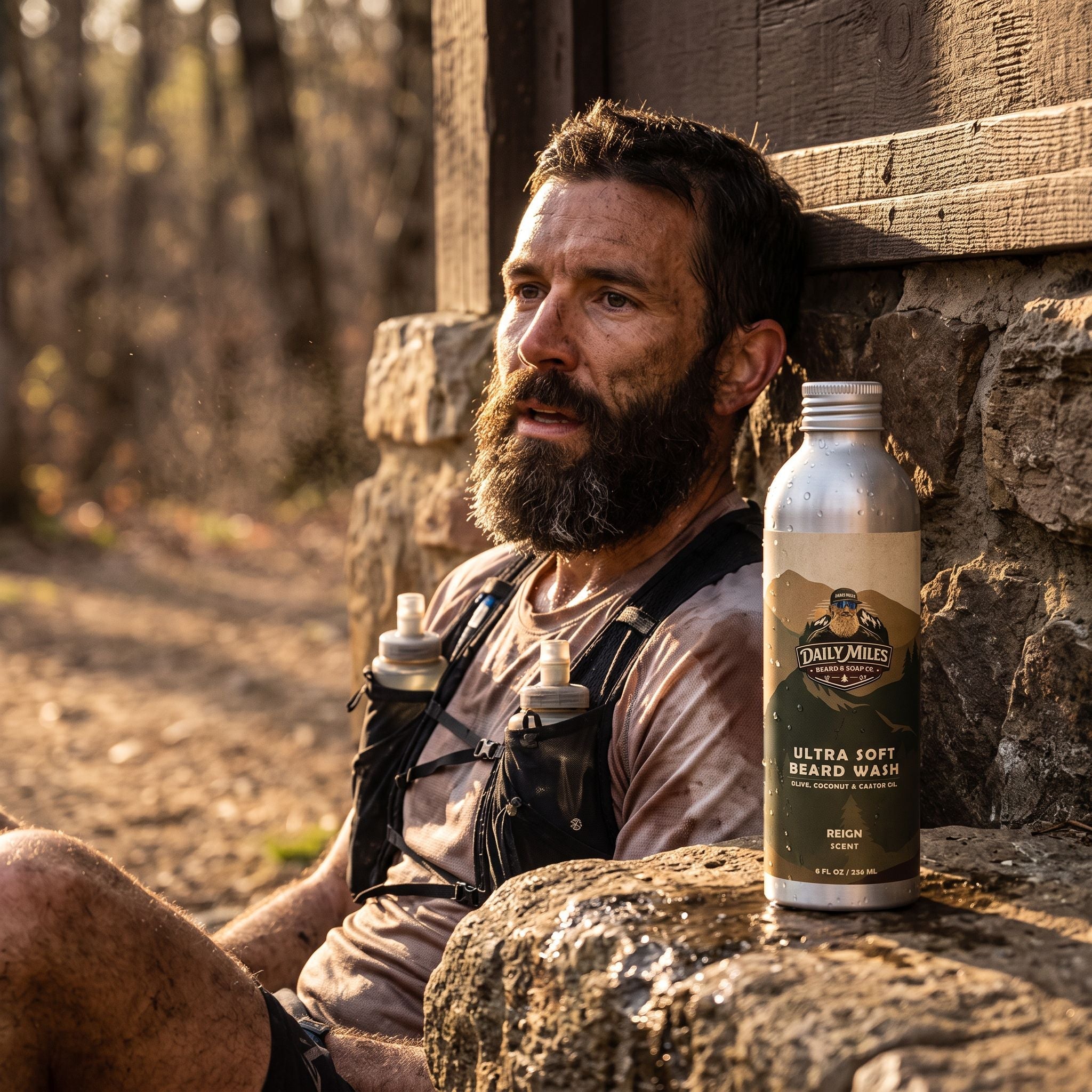
- Step 2: Targeted application. Use a small amount of Ultra Soft Beard Wash. Focus on the skin beneath the hair. This formula is built to remove salt while leaving natural oils intact. It is recovery gear for your face.
- Step 3: Final thorough rinse. Ensure every trace of soap and sweat is gone. Residual product can trap bacteria against the skin, leading to breakouts and follicle stress.
Cleaning is only half the battle. Once the salt is gone, you must replace the hydration the trail took from you. A clean beard is the perfect foundation for a high-performance oil. If you are looking to build a complete recovery kit, consider starting with a dedicated beard wash designed for the demands of the athlete.
Hydration Strategy: Replacing What the Trail Took
Recovery is not a passive state. It is an active requirement. Once you have cleared the salt crystals from your pores, your skin is at its most vulnerable. It is stripped. It is thirsty. Learning how to stop beard itch from sweat requires a transition from cleaning to fortification. You must replace the moisture the trail took from you before the skin's barrier begins to crack. This is the foundation of performance maintenance.
Timing matters. Apply your oil while the skin is still slightly damp. This captures residual moisture. It allows the oil to penetrate deeper. Do not just coat the hair. Use your fingertips to work the oil into the skin underneath. This is the source of the irritation. This is where the repair happens. Consistency in this ritual is the difference between a resilient beard and a constant distraction. Recovery happens during the rest phase. Feed your skin accordingly.
Why Vegan Oils Win for Athletes
Molecular weight determines performance. Many traditional oils use heavy fillers that sit on the surface. They feel greasy. They clog pores during your next effort. Vegan, plant-based oils like jojoba and argan have a lighter molecular structure. They mimic human sebum almost perfectly. This ensures faster absorption during your recovery window. It means your skin is ready for the next mile without a heavy residue. It stays breathable.
Ingredients like copaiba and frankincense provide essential anti-inflammatory support. They calm the micro-tears caused by salt friction. Understanding why performance grooming matters is about choosing tools that work with your biology, not against it. Clean formulations ensure that nothing interferes with your skin's ability to breathe and heal. You need ingredients that work as hard as you do.
The Nightly Ritual
The work continues while you sleep. Overnight is when your body focuses on cellular repair. A dedicated nightly ritual reinforces the hydration you applied post-run. Using After Sunset Beard Oil provides the sustained nourishment required for high-mileage skin. It restores elasticity to the hair itself. This prevents the hair from becoming brittle and sharp. It softens the edges of your beard.
Hydrated hair stays soft and pliable. Nightly hydration prevents the needle-like feel of dry stubble that often triggers the urge to shave. It keeps the beard trail-ready. It keeps the skin calm. Stick to the routine. Respect the recovery. The itch ends here.

Avoiding the "Beeswax Trap" During High-Intensity Training
Beeswax is a standard industry sealant. It provides heavy hold. It keeps hair in place. But for the high-mileage runner, it is a liability. Beeswax creates a non-breathable film over your skin. This mask traps sweat, salt, and heat directly against your pores. As your body temperature rises during a climb, that trapped moisture has nowhere to go. This environment is a breeding ground for bacteria. It leads directly to folliculitis. This inflammation of the hair follicles is painful. It is persistent. Learning how to stop beard itch from sweat means choosing a styling agent that breathes.
The beeswax trap is a common mistake for those transitioning from office life to trail life. You want control. You want your beard to look sharp in the post-run photo. But a heavy wax barrier turns your face into a greenhouse. The salt crystals we discussed earlier become even more abrasive when suspended in a layer of non-breathable wax. They cannot be rinsed away easily. They stay locked against the epidermis. This is not grooming. This is irritation in a tin. High-output training demands products that allow for natural thermoregulation.
The Problem with Heavy Sealants
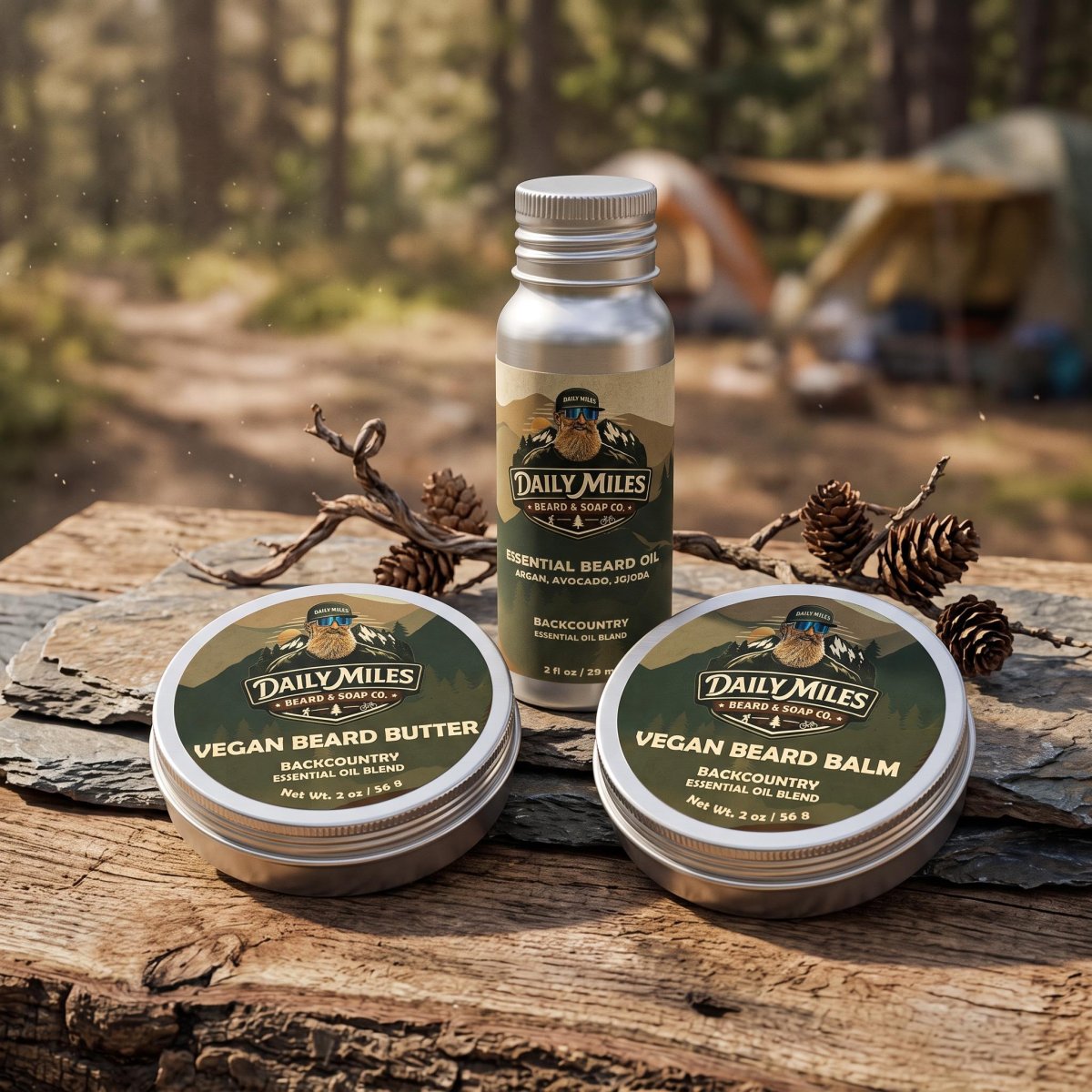
Heat buildup under wax exacerbates skin irritation. There is a critical difference between hold and health. You want a disciplined shape, but you cannot sacrifice skin integrity. This is why Backcountry Beard Balm is formulated without bee products. We use candelilla wax instead. It offers the same structural control without the suffocating weight. It allows gas and moisture to move away from the skin. It respects the cooling process of your body. It works with your sweat, not against it.
Breathable Styling for the Long Haul
Performance grooming requires sustainable, plant-based choices. Consult our Sustainable Beard Care Products: The 2026 Guide for a deeper look at ingredient ethics and performance. For those with coarse hair, beard butter is the superior tool. Backcountry Beard Butter provides deep conditioning without the sealing effect of a heavy balm. It absorbs fully. It keeps the hair pliable. It keeps the skin cool. Use it for a softer feel that survives the trail. Consistency in your choice of styling tools is essential for how to stop beard itch from sweat over the long term.
Stop suffocating your skin during your training blocks. Switch to a bee-free beard balm designed to handle the heat of the backcountry.
Building a Resilient Grooming Routine
Grooming is a discipline. It is not a luxury. It is a fundamental part of your training block. To truly master how to stop beard itch from sweat, you must align your maintenance with your training calendar. A high-mileage week demands more from your skin than a recovery week. Your routine should be as methodical as your track sessions. Consistency builds resilience. This is how you maintain a beard that survives the elements without compromising your focus.
Start with a total audit of your current kit. Your products are gear. If they don't perform, they are dead weight. Eliminate sulfates that strip your natural protection. Remove parabens that serve no purpose for your skin. Most importantly, discard any products relying on heavy beeswax. These ingredients are the primary obstacles to skin health during high-intensity efforts. Efficiency wins every time. Simplify your process by investing in Ritual Bundles. These sets provide the essential tools for cleaning and fortification in one disciplined package.
The Athlete’s Maintenance Checklist
Your needs change based on the effort of the day. Prioritize pre-run hydration to create a breathable barrier. Focus on post-run recovery to dissolve salt before it crystallizes. For a detailed breakdown of these phases, consult The Runner’s Beard Care Routine: High-Performance Grooming. During peak training weeks, implement a weekly deep-cleaning strategy. This ensures that no residual minerals or bacteria take hold in your follicles. Discipline in the bathroom leads to comfort on the trail.
Gear for the Active Outdoorsman
Mechanical exfoliation is a critical part of how to stop beard itch from sweat. Use a beard comb daily to lift dried salt and dead skin cells. This prevents the buildup that leads to clogged pores and painful ingrown hairs. A comb is not just for styling. It is a tool for skin health. It distributes natural oils and keeps the hair from matting against the face.
Small-batch products offer a level of performance that mass-market soaps cannot match. Ingredient integrity is higher. The formulations are more intentional. This is essential for sensitive skin that faces daily friction and sweat. You need solutions that were tested in the field, not just the lab. Your beard should be a badge of endurance, not a source of irritation. Trust your miles to a brand that runs them.
Master the Post-Run Recovery
The trail does not forgive a lack of preparation. Your grooming routine shouldn't either. You now have the blueprint for how to stop beard itch from sweat. It requires immediate action to dissolve salt crystals. It demands a shift away from heavy beeswax sealants. It relies on consistent, plant-based hydration that mirrors your skin's natural chemistry. These are the standards of performance maintenance.
We create small-batch, plant-based solutions because we understand the grit of a long-distance stride. Our formulations are bee-free and breathable. They allow your skin to cool and recover as intended. This is gear designed by runners for runners. Every batch is intentional. Every ingredient has a purpose. Don't let preventable irritation compromise your focus or your finish time.
Shop our Athlete-Tested Ritual Bundles
Stay disciplined. Keep the miles clean. We will see you out there.
Frequently Asked Questions
Why does my beard itch specifically after I finish running?
The itch occurs because sweat evaporates and leaves behind jagged salt crystals. These micro-minerals grate against your skin as you move. The irritation becomes most intense once the moisture is gone. It's a mechanical problem. The salt acts like sandpaper against your pores.
Can I just use regular hair shampoo on my beard after a workout?
Standard hair shampoo is formulated for the scalp, which is much heartier than facial skin. These detergents are too harsh for your face. They strip the natural oils you need for protection. A dedicated beard wash preserves your skin's barrier while removing salt deposits.
Is it better to shave my beard if I sweat a lot?
Shaving is not the only solution for athletes. You can maintain a beard through high-intensity training with the right recovery ritual. Understanding how to stop beard itch from sweat allows you to keep your facial hair without the stinging distraction. Shaving often introduces new problems like razor burn and ingrown hairs.
How often should a runner wash their beard?
You should rinse your beard with water after every workout. Use a sulfate-free wash whenever you complete a high-mileage run. This frequency prevents salt buildup without over-drying the hair. Match your washing schedule to your training volume. Consistency prevents the accumulation of irritating minerals.
Will beard oil make my face feel greasy while I’m sweating?
High-quality plant-based oils absorb quickly and won't leave a greasy residue. Oils like jojoba and argan mimic your natural sebum. They penetrate the skin rather than sitting on top of it. This keeps your pores breathable during your next effort. Avoid heavy fillers that sit on the surface.
What is the best way to clean a beard on the trail?
A thorough rinse with cool, fresh water is the most effective trail-side solution. If water is limited, use a damp cloth to wipe the skin beneath the hair. The goal is to remove the salt before it has a chance to crystallize. Simple mechanical removal is better than leaving the salt to dry.
Can sweat cause permanent damage to my beard hair?
Salt and minerals can eventually lead to brittle hair and split ends. The abrasive nature of dried sweat wears down the hair cuticle over time. This leads to a coarse, "crunchy" texture. Consistent hydration after your runs protects the hair's structural integrity and maintains its elasticity.
Is beeswax really bad for my skin when I exercise?
Beeswax is a liability during exercise because it creates a non-breathable barrier. It traps heat, bacteria, and sweat against your skin. This often leads to folliculitis and breakouts. It's one of the most important factors in how to stop beard itch from sweat during long training blocks. Switch to breathable, plant-based waxes instead.
Read more
Your beard care shouldn't quit before you do. Most balms melt the moment the sun hits the trail. Heavy oils clog your pores. They cause breakouts during a hard climb. You need gear, not grease. It'...
The salt on your skin is a badge of honor. It is also a slow death for your facial hair. You never skip a cool-down or a recovery shake after a grueling trail run. Yet, many athletes ignore the gri...