
Beard Oil vs. Butter for Post-Run Recovery: The Athlete’s Guide to Rehydration
Sweat is a silent killer for your beard. You finish the miles and feel the salt-induced dehydration setting in immediately. That grit turns your facial hair into brittle wire and leaves your skin raw. It's the hidden cost of a high-performance lifestyle. You understand the grind. You know the effort. You don't have to accept the skin irritation or the "beard-druff" that follows a hard effort on the trail.
Deciding on beard oil vs butter for post-run recovery is the difference between a beard that thrives and one that breaks. You need a simple, effective ritual to restore what the wind and elements took away. This guide shows you exactly how to choose the right tools to repair sweat-damaged hair and soothe your skin after every mile. We'll break down why After Sunset Beard Oil targets the skin while Backcountry Beard Butter seals the hair fibers. It's time for a recovery routine that is as disciplined as your training schedule.
Key Takeaways
- Understand how sweat salt acts as a desiccant. Neutralize dehydration immediately to prevent brittle hair and skin irritation.
- Distinguish between delivery systems. Use beard oil for deep skin penetration and beard butter for coating and repairing hair fibers.
- Master the framework for choosing beard oil vs butter for post-run recovery based on your run intensity and local climate.
- Establish a disciplined two-step ritual. Cleanse away the salt first, then apply hydration to damp hair to lock in moisture.
- Prioritize vegan, bee-free formulations. Ensure your pores remain clear and breathable during the critical post-run repair phase.
The Science of Sweat: Why Your Beard Needs Post-Run Recovery
You finished the climb. The summit is behind you. Your body feels the weight of the miles, but your beard is the one paying the price. Sweat is not just a sign of effort. It is a corrosive agent. It is a mix of salt and minerals that targets your facial hair. As you run, this mixture strips away the sebum, the natural oil produced by skin that maintains your beard's integrity. This leaves your hair exposed. It leaves your skin defenseless against the elements.
Salt is a powerful desiccant. It aggressively pulls moisture from the hair shaft. On the trail, windburn and UV rays accelerate this destruction. The wind physically degrades the hair cuticle. The sun breaks down the proteins that provide strength. Post-run recovery is a mandatory phase of your training. It is the tactical restoration of pH balance and deep-tissue moisture. Waiting until your morning shower is a mistake. By then, the hair is already brittle. It is ready to snap. Understanding beard oil vs butter for post-run recovery is the first step toward a resilient beard.
The Salt Effect: How Sweat Dehydrates Facial Hair
Salt crystals are sharp. They are abrasive. When sweat dries, these crystals sit on the hair cuticle and create friction with every movement. This is why "beard itch" peaks 30 minutes after your run. The moisture is gone. Only the grit remains. Your skin is screaming for hydration. Osmotic dehydration is the biological process where high salt concentrations on the hair surface force internal moisture to migrate outward, leaving the hair fiber hollow and dry.
Skin Breathability: Why Bee-Free Matters for Athletes
Recovery requires airflow. Many products rely on beeswax to provide hold. For an athlete, this is a liability. Your skin temperature remains elevated long after the run stops. Heavy waxes create an occlusive seal that traps heat and bacteria against the skin. This creates a breeding ground for folliculitis. Plant-based, bee-free solutions are different. They allow the skin to breathe while it cools. They deliver nutrients without clogging the machinery of your skin. This is the core of the beard oil vs butter for post-run recovery debate. You need high performance without the side effects. You need a solution that works with your body, not against it.
Beard Oil vs. Beard Butter: Breaking Down the Mechanics
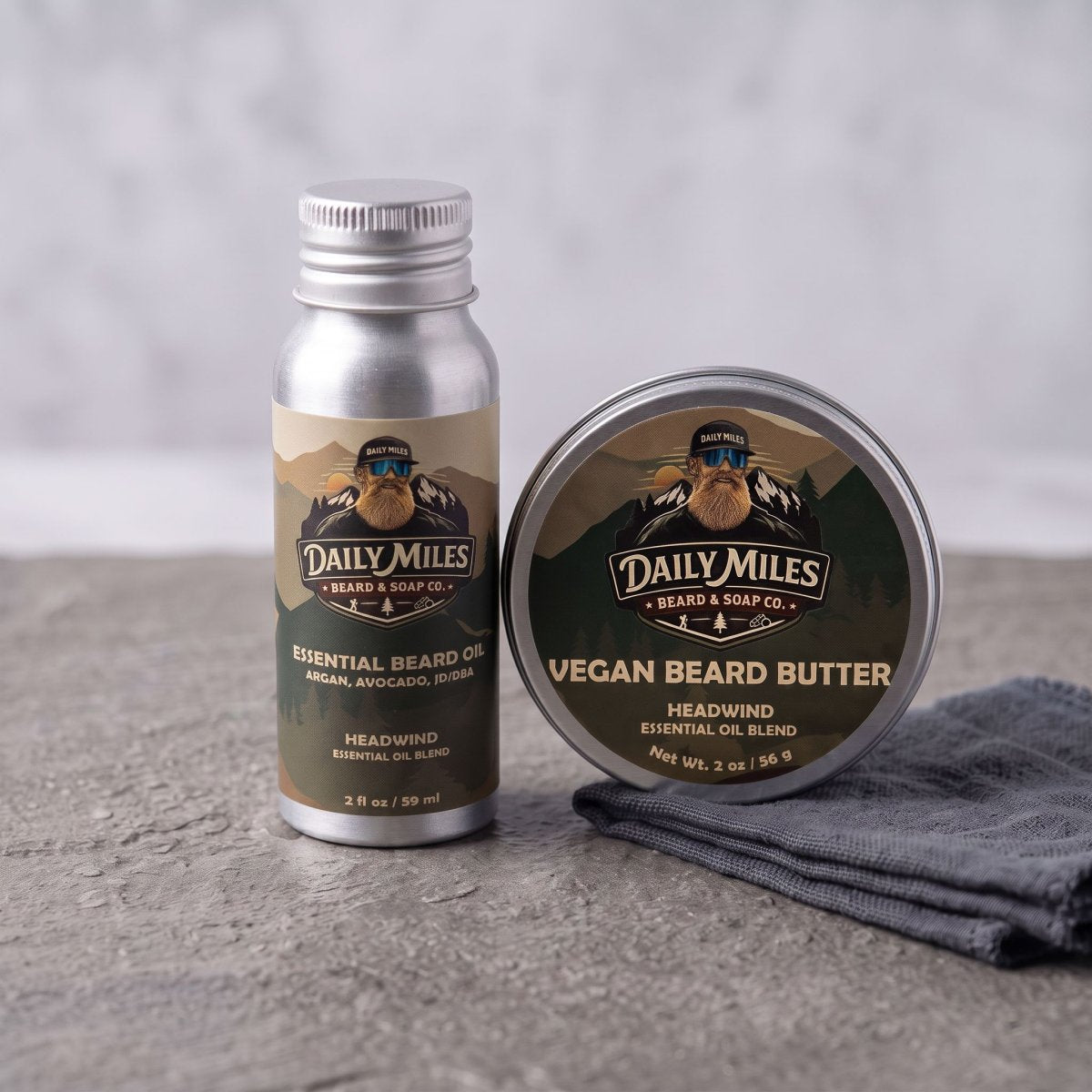
Think of your recovery in terms of delivery systems. Beard oil is a liquid. It is lightweight. It moves through the beard to reach the source of irritation. Beard butter is a semi-solid. It is dense. It remains on the hair to provide a barrier against further damage. When you evaluate beard oil vs butter for post-run recovery, you are choosing between skin health and hair integrity. You usually need both.
Absorption speed is the primary differentiator. Oil is the sprint. It penetrates the skin almost immediately after application to stop the "salt-itch" caused by sweat. Butter is the marathon. It offers a slow-release hydration profile that lasts for hours. This long-term coating is essential after high-mileage trail days where windburn has shredded the hair cuticle. We use plant-based fats like shea and mango. These ingredients provide deep-tissue conditioning without the heavy, pore-clogging weight of beeswax or synthetic silicones.
Beard Oil: The Immediate Skin Soother
Your skin takes the brunt of the sweat. The carrier oils in a quality blend are designed to mimic your natural lipids. They replenish what the salt stripped away. This stops inflammation at the follicle level. A proper beard care routine for runners starts with oil on damp skin. It creates a foundation of health that allows your beard to grow through the grind. It is fast. It is efficient. It gets the job done.
Beard Butter: The Deep-Tissue Conditioner
Trail-frizz is a reality for the long-distance athlete. Coarse hair becomes unmanageable when it is dry. Butter provides the weight needed to tame that chaos. It doesn't just sit on top. Shea butter benefits include intense moisturizing and anti-inflammatory properties that repair the hair from the inside out. High-performance butters lack the heavy waxes found in styling balms. This is intentional. Your skin needs to cool down. It needs to breathe. A bee-free butter provides a protective seal that won't trap heat or sweat. This makes it the ultimate tool when comparing beard oil vs butter for post-run recovery for your hair fibers. If you want to maximize your downtime, consider one of our Ritual Bundles to combine both methods.
Choosing Your Recovery Tool: When to Reach for Oil vs. Butter
Selection is a tactic. It is not a guess. Your recovery needs to match your effort. A 5k training block demands different maintenance than an ultra-marathon peak. You must assess the damage before you choose the tool. When evaluating beard oil vs butter for post-run recovery, look at your mileage and your environment. Your beard is an extension of your gear. It needs the right maintenance to perform.
Intensity dictates the dose. Short, daily runs are about maintenance. You sweat. You rinse. You apply oil to keep the skin calm. Ultra-marathons are a different beast. These efforts involve hours of exposure. They involve deep dehydration. Butter is the only way to salvage hair that has been weathered for fifty miles. It provides the sustained hydration required for deep-tissue repair.
Environment changes the game. In a humid summer, sweat sits on the skin. It breeds bacteria. Oil is light enough to manage this. In a dry winter, the wind is a razor. It shreds the hair. Butter provides the physical barrier you need to survive the season. The hybrid approach is the gold standard for serious athletes. Apply oil to the damp skin first. Follow with butter on the hair fibers. Do not worry about the "greasy pillow" myth. This only happens when you over-apply or go to bed immediately. Give the product twenty minutes to settle. It belongs in your beard, not your linens.
The Daily Maintenance Choice
Oil is your daily driver. Use it after short sessions to prevent "beard funk." This odor happens when sweat and bacteria get trapped in the follicle. Oil breaks down those salts. It keeps the skin clear. It's a key part of using sustainable beard care products to maintain a high-performance lifestyle. Keep it simple. Keep it consistent. Your skin will thank you.
The Deep Recovery Choice
Deploy butter for overnight repair. It is essential after high-mileage weeks when the hair is exhausted. Butter targets split ends caused by outdoor exposure. It fills the gaps in the hair cuticle. It restores elasticity to the fiber. Butter is the heavy-duty solution for a "crunchy" post-run beard that feels like dry straw after a day on the trail. It turns wire back into hair. It is the ultimate salvage tool.
The Post-Run Beard Ritual: A Step-by-Step Recovery Guide
Discipline defines the athlete. Your run is finished. Your recovery begins now. You wouldn't skip a post-run protein shake or a stretching session. Don't skip your beard maintenance. This ritual is about longevity. It is about maintaining the tools you use every day. A methodical approach ensures your facial hair remains as resilient as your spirit. Recovery is the final set of every workout. Do not neglect it.
Washing Away the Miles
You cannot hydrate over grit. Salt and sweat create a physical barrier that blocks nutrients. They act like sandpaper on your skin follicles. The mandatory first step is a thorough cleanse. Use cool or lukewarm water. Hot water is the enemy of recovery. It opens the hair cuticle too wide and strips what little moisture remains after the miles. A dedicated face and beard soap is efficient. It removes the salt without the harsh chemicals found in standard body washes. Cleanse the skin. Rinse the hair. Prepare for the restoration phase.
Layering for Maximum Performance
The "Damp Hair Rule" is your most important tactic. Water acts as a carrier. It helps the product penetrate deeper into the hair shaft and skin pores. Applying to dry, salt-crusted hair is a mistake that leads to immediate breakage and split ends. This is where the strategic choice of beard oil vs butter for post-run recovery becomes a synchronized effort. You are not choosing one over the other. You are layering them for maximum effect. Follow this progression to rebuild what the trail took away:
- Step 1: The Cleanse. Use a sulfate-free wash. Remove the trail grit immediately after your heart rate drops.
- Step 2: The Foundation. Apply oil to damp skin. Use three to five drops for stubble or a full dropper for a full mane. Massage the skin using firm, circular motions. This stimulates blood flow. It oxygenates the tissue. It replenishes the lipids.
- Step 3: The Sealant. Use a pea-sized amount of butter. Warm it in your palms until it melts. Coat the hair fibers from root to tip. This seals in the moisture and begins the deep-tissue repair process.
- Step 4: The Tool. Use a wide-tooth comb. Start at the ends. Work your way up toward the chin. This prevents snagging on weakened hair and avoids post-run breakage.
Dosing depends on length and intensity. A shorter beard needs more oil for skin health. A longer beard needs a heavier application of butter for hair protection. This ritual ensures your beard recovers as fast as your muscles. It is a methodical approach to a high-performance lifestyle. Ready to start your ritual? Secure your recovery tools with our Ritual Bundles today.
Daily Miles Performance Recovery: Plant-Based Solutions for Hard Miles
Grooming is a discipline. It is a part of the work. You don't leave your gear to rust after a race. You don't leave your beard to dry out after a long effort. Choosing beard oil vs butter for post-run recovery is a tactical decision. It is about the long-term health of your facial hair. We build our products for the high-mileage lifestyle. Small-batch production ensures potency. Vegan ingredients ensure purity. This is recovery for the resilient. It is a commitment to the craft of your own endurance.
Our formulations are intentional. We avoid heavy fillers. We avoid synthetic additives. Active skin needs to breathe. Sweat-prone pores are easily clogged by mass-market products that use cheap waxes. Our bee-free approach respects the skin's need to cool down. It is a no-nonsense solution for men who test their limits. Small-batch manufacturing allows us to maintain ingredient integrity. Every drop of oil and every ounce of butter is optimized for high-performance repair. Your recovery routine should be as disciplined as your training schedule. It is the final mile of your day.
After Sunset: The Nightly Recovery Specialist
Your follicles need a rest day. After Sunset Beard Oil is the dedicated nightly recovery serum for the active beard. We use Copaiba and Frankincense. These ingredients are chosen for their skin-calming properties. They soothe the inflammation caused by salt and wind. They help restore the skin's natural balance after hours of exertion. The finish is non-greasy. Runners appreciate this for sleep. It absorbs fast. It works while you rest. It prepares you for the next morning's miles without leaving a residue on your linens. It is the essential first step in your nightly recovery ritual.
Backcountry Butter: Built for the Wild
Backcountry Beard Butter is for the high-mileage weeks. It relies on the deep-conditioning power of mango and shea butters. We do not use beeswax. Beeswax creates an occlusive seal that traps heat in high-heat environments. That is a liability on the trail. Our plant-based butter provides a protective barrier that remains breathable. It repairs the "crunchy" texture of trail-worn hair. It restores the flexibility of every fiber. It is the deep-conditioning solution for hair that has been weathered by the elements. If you are serious about your maintenance, Shop the Ritual Bundles for complete recovery. Combine the oil and the butter. Maximize your downtime. Get back to the trail with a beard that is as ready as you are.
Own the Recovery Ritual
Recovery is not an option. It is the foundation of your next effort. You have the framework. You understand the science. Salt strips your resilience, but the right ritual restores it. Oil targets the skin. Butter repairs the hair fibers. Together, they eliminate the grit and irritation that follow a hard day on the trail. Mastering beard oil vs butter for post-run recovery allows you to maintain your edge. It turns a brittle, sweat-damaged beard into a tool of endurance.
We build our products for the high-mileage lifestyle. Every bottle is small-batch artisan quality. Our formulations are 100% Vegan and Bee-Free to keep your pores clear while you rest. These solutions are tested by runners for runners. We know the demands of the trail because we live them. Don't let your grooming be the weak link in your training schedule. Recover faster with our plant-based Ritual Bundles. Keep moving. Keep growing. Your best miles are still ahead of you.
Frequently Asked Questions
Is beard oil or butter better for preventing itch after a run?
Beard oil is superior for stopping post-run itch. Itch originates at the skin level where sweat salt causes severe dehydration. Oil is a lightweight liquid designed to penetrate the hair and reach the follicle. It replenishes the lipids stripped away during your effort. Use it immediately after rinsing to calm the skin and stop the irritation.
Can I apply beard oil directly over sweat if I’m in a hurry?
Never apply oil directly over sweat. This traps salt, minerals, and bacteria against your skin. It leads to breakouts and increased inflammation. Always cleanse the area first. Even a quick rinse with lukewarm water is better than layering recovery products over trail grit. Discipline in your routine prevents skin failure.
Why does my beard feel "crunchy" after a long outdoor run?
The "crunchy" texture is caused by salt crystals and osmotic dehydration. Sweat evaporates and leaves abrasive minerals on the hair cuticle. These crystals create friction and a wire-like feel. Long runs also involve UV exposure and windburn. These elements shred the hair's protective layer and leave the fibers hollow and brittle.
Do I need to wash my beard every time I workout?
You must rinse the salt out after every workout. You don't always need a heavy scrub, but the salt is corrosive. Use a gentle, sulfate-free wash like Quiet Miles Face & Beard Soap. This removes the grit without stripping the hair's internal moisture. Consistency in cleansing prevents long-term breakage and "beard-druff."
Will beard butter clog my pores if I sweat again the next day?
Plant-based, bee-free butters will not clog your pores. We use mango and shea butter because they remain breathable on active skin. Traditional beeswax products create an occlusive seal that traps heat and sweat. This leads to folliculitis. Our vegan formulations allow your skin to cool and function normally during your next effort.
How much oil should I use for a short-distance runner’s beard?
Use three to five drops for a short-distance runner's beard. Focus your application on the skin beneath the hair. Shorter beards have less surface area to protect, so skin health is the primary objective. When evaluating beard oil vs butter for post-run recovery for stubble, oil is the most efficient tool for restoration.
Is it okay to use both beard oil and butter at the same time?
Layering both is the gold standard for recovery. Apply oil to the damp skin first to stop irritation. Follow with a pea-sized amount of butter applied to the hair fibers. This dual-action approach handles both skin health and hair integrity. It is the most disciplined way to manage beard oil vs butter for post-run recovery after high-mileage weeks.
What is the best way to clean a beard after a muddy trail run?
Use lukewarm water and a dedicated beard soap. Mud carries bacteria and abrasive grit that can damage the hair cuticle. Don't scrub aggressively. Let the soap break down the debris. Rinse thoroughly until the water runs clear. Follow with a wide-tooth comb to remove any remaining particles without snapping the weakened hair.
Read more
Your skin is your largest performance organ. You shouldn't treat it like an afterthought. After miles on the trail or hours in the gym, your body is covered in salt, grit, and fatigue. Most commerc...
Sweat isn't your enemy. The salt it leaves behind is the real problem. Every mile you run and every set you finish leaves a layer of grit on your skin. You shouldn't have to choose between a high-p...